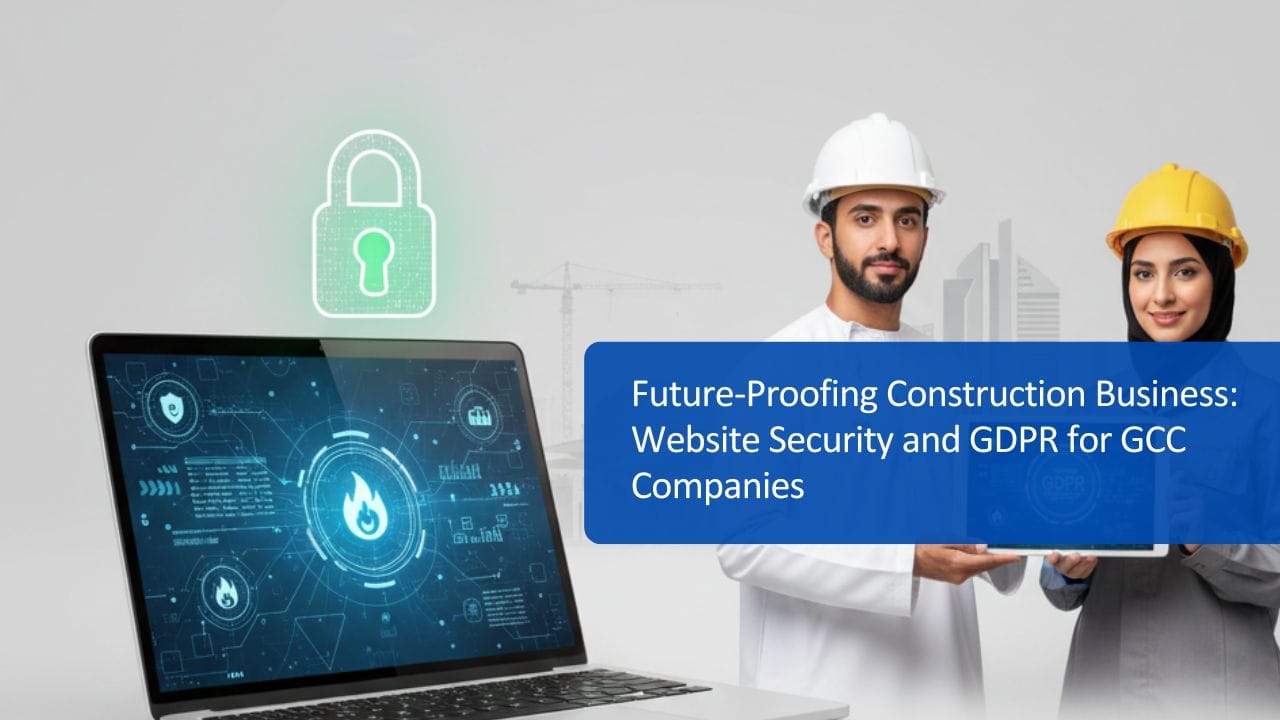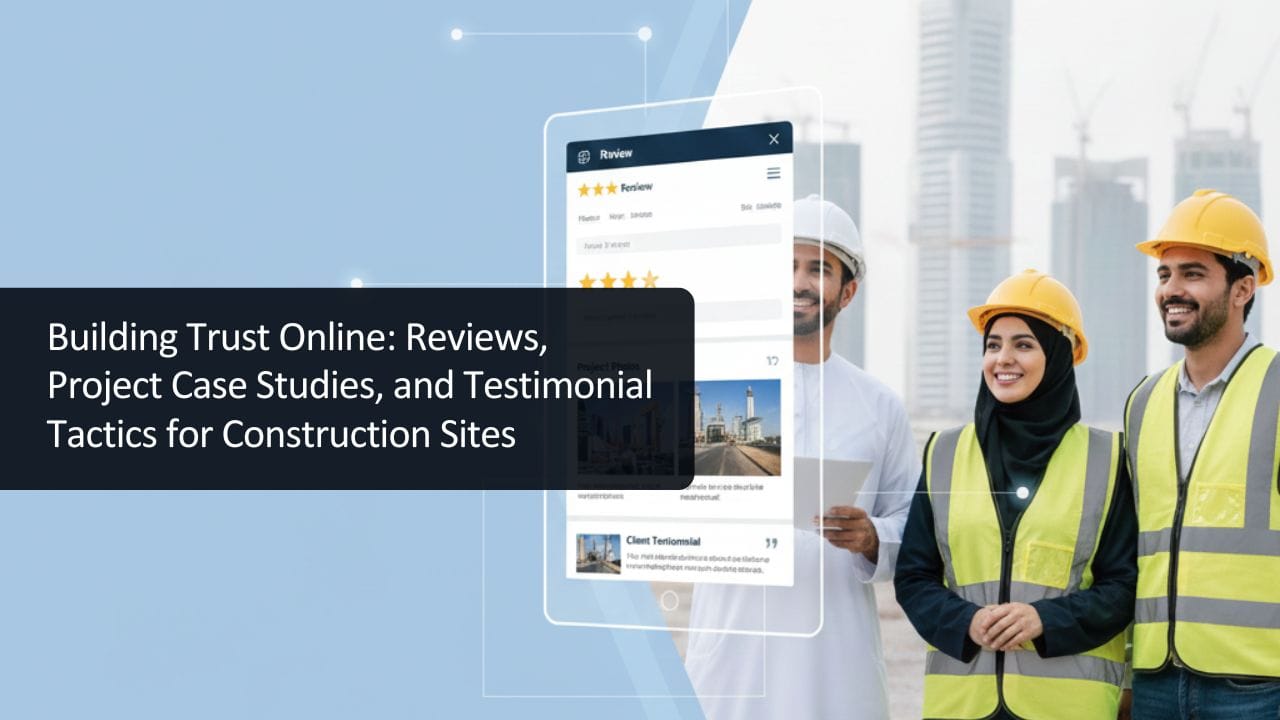
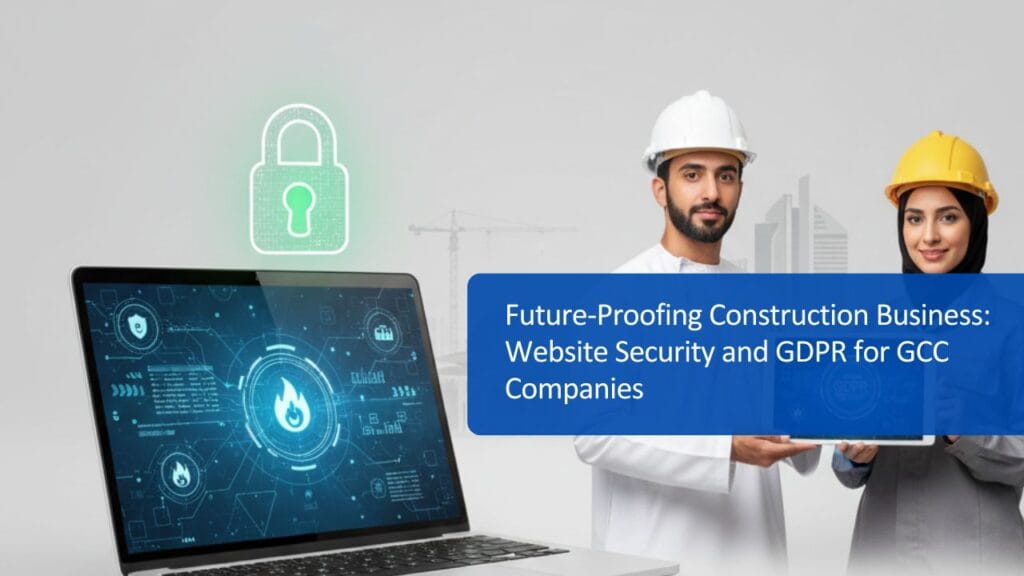
As the construction industry in the GCC continues to digitalize, having a professional website is no longer optional — it’s a necessity. With online inquiries, client portals, digital project documentation, and CRM tools becoming standard, the need for website security for construction companies in Oman has never been greater. A secure website not only protects sensitive data but also builds trust with potential clients, government bodies, and B2B partners.
Why Website Security Matters for GCC Construction Businesses
Construction companies handle highly sensitive data, including tenders, floor plans, project budgets, commercial contracts, and client details. A cyber breach can lead to:
- Loss of reputation
- Legal and financial penalties
- Project delays
- Loss of sensitive client information
- Reduced trust and credibility
With more competitors investing in digital transformation, secure web infrastructure ensures your business remains reliable and trusted.
Understanding GDPR and Data Privacy Compliance
Even though GDPR is a European regulation, many GCC companies must comply — especially if they handle international clients or do business with European companies. GDPR compliance demonstrates professionalism and transparency. It ensures visitors know how their data is handled, stored, and protected.
Key GDPR requirements include:
- Cookie consent banner
- Clear privacy policy
- Secure storage of form submissions
- Option for users to delete or request their data
- SSL certificate installed on the website
Must-Have Security Features for Construction Websites
To future-proof your online presence, your website should include:
✔ SSL (HTTPS) encryption
✔ Regular security audits
✔ Secure contact and inquiry forms
✔ Two-factor authentication for admin logins
✔ Firewall protection and malware monitoring
✔ Encrypted client upload/download document system
✔ Regular software, theme, and plugin updates
These measures help avoid unauthorized access, hacking attempts, and data loss.
Cyber Threats Construction Websites Face Today
Construction companies are becoming frequent targets because they handle high-value corporate projects. The most common threats include:
- Ransomware attacks
- Fake tender emails
- Website hacking attempts
- Form spam and phishing
- Unauthorized admin access
A proactive security strategy prevents these issues and keeps the website stable and trustworthy.
How Security Boosts Business Growth and Client Confidence
A secure and GDPR-compliant construction website builds confidence among:
- Real estate developers
- Corporate property managers
- Government contract committees
- Homeowners and investors
Trust plays a critical role in converting website visitors into leads. When users feel safe submitting inquiry forms, downloading brochures, or accessing client dashboards, they are more likely to proceed with real business discussions.
Future-Proofing With Compliance and Security Standards
As Oman and other GCC countries strengthen digital governance, security compliance will become a requirement — especially for companies aiming to win government or mega infrastructure contracts. Investing now ensures your business stays competitive, compliant, and ready for the next phase of digital transformation.
Conclusion
Future-proofing your construction business means more than having a modern website — it means protecting your clients, your data, and your reputation. By prioritizing website security, GDPR compliance, and privacy best practices, construction companies in Oman and the GCC can operate confidently in a fast-evolving digital marketplace.